If you’ve ever wanted to try scuba diving — or already love it — Bonaire is the place to go. No hype. No crowds. Just warm, clear water and some of the best dive sites in the world. It’s laid-back, it’s stunning, and it’s built for divers of all levels.
And if you’re not a diver yet? Bonaire is the perfect place to start.
In this guide, you’ll get a quick tour of the Top 10 Dive Sites on Bonaire, plus how SmartWheel makes it easy to plan your trip, book your dives, and actually enjoy your vacation (instead of stressing about logistics).
-
Hilma Hooker
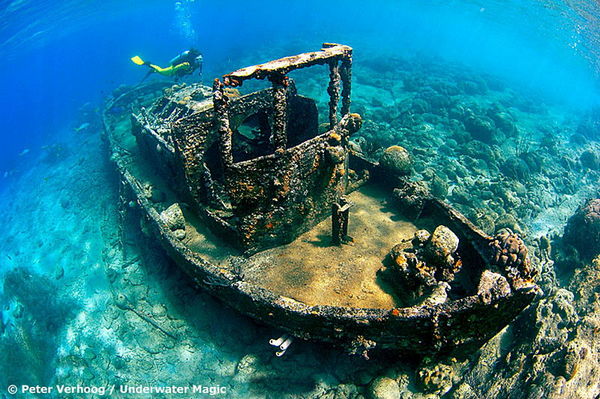
The Hilma Hooker is Bonaire’s legendary wreck dive — a 72 m (236 ft) cargo ship lying on its side between two reef systems. Its highest points reach about 18 m (60 ft) and the mast peaks near 30 m (99 ft). Soft corals, sponges, and marine growth cloak its hull, while tarpon, barracudas, lobsters, and smaller reef life weave through its cargo holds and gaps. Although penetration into the wreck is reserved for experienced divers, exploring around the outer structure already makes for a stunning dive.
-
Karpata
Karpata lies at the southern end of the coastal road and is a shore‑dive favorite, especially among divers who prefer flexibility. The reef structure includes coral heads, sandy patches, steep drop‑offs, and sponges. Visibility tends to be excellent, and you can often spot schooling reef fish, rays, and moray eels darting in and out of crevices. Because of its range of depths and terrain, Karpata offers interesting exploration for intermediate divers.
-
1000 Steps
Don’t let the name fool you — it’s about 67 steps down to the shore, not literally a thousand. But once you’re in the water, you’ll find a terrace of coral heads and then a steep descent into a rich reef corridor. Turtle sightings are common, and soft corals, sponges, and schooling fish fill the scene. Because of the descent, be mindful of depth changes between the upper reef and lower reef zones.
-
Salt Pier
Salt Pier is dramatic: rows of concrete pilings extending into the sea become vertical columns covered in sponges, soft corals, and encrusting life. These columns cast shade and attract large schools of fish that swirl between the supports. Underneath and around the piers, you’ll often find snappers, jacks, and occasionally rays gliding by in the shadows. Because of the structure and contrast, this site is a favorite for underwater photographers.
-
Alice in Wonderland
Alice in Wonderland showcases a beautiful double reef system: one reef shallow, one deeper, with a sandy channel between. As you cross from one reef to another, keep an eye on your depth, because conditions change. You’ll see abundant sponge life, schooling fish, and frequent coral outcrops. Because it’s relatively sheltered and varied, it’s suited for both newer and more seasoned divers alike.
-
Bari Reef
Bari Reef is famous for its fish diversity — over 300 species have been documented there. The shallow zones are teeming with life: wrasses, parrotfish, angelfish, and smaller reef critters. The benthic scenery includes coral gardens, sponges, and occasional sandy channels. Because of its accessible depth range, it’s a great choice for newer divers, while still offering plenty to interest experienced eyes.
-
Oil Slick Leap
Oil Slick Leap offers a more adventurous entry — a steel ladder leads from shore to deep water, with dramatic walls dropping down. Currents can be moderate, so divers often drift along the wall and let marine life come to them. Expect to see big fish, rays, and schools of jacks and snappers. Because of the depth and structure, this site appeals to intermediate divers seeking a more dynamic experience.
-
Something Special
Something Special is a “macro lover’s” delight. This reef is known for tiny creatures — nudibranchs, shrimp, pipefish, gobies, and all manner of small life forms hiding in coral crevices. (less documented in the standard guides, but divers often highlight this in forums) Because life is subtle, this dive rewards slow, patient swimming and keen eyes. The reef structure is varied, with patches of coral, rubble, and sandy interludes.
-
Andrea I & II
Just half a kilometer north of Bonaire’s power plant region, Andrea I & II are ideal for calmer, gentler dives. Soft corals, sea fans, and schools of smaller reef fish adorn these sites. Due to modest depths and ease of access, they’re frequently used for beginner dives and snorkelers transitioning into scuba.
-
Red Slave
Red Slave is more suited to experienced divers because of occasional currents and deeper sections. But if you venture here, you’ll find sweeping coral plateaus, big fish like horse-eye jacks, turtles, and sometimes baitfish clouds off the reef edge. The site feels more remote, with stronger ocean influences, making for a thrilling dive for those who are comfortable with more dynamic conditions.
So… Ready to Dive In?
You don’t need to be an expert to dive in Bonaire. A lot of sites are beginner-friendly, and dive shops on the island offer everything from “try scuba” experiences to full PADI certification. It’s safe, fun, and way less intimidating than you might think.
If you’ve been craving adventure, peace, nature, or just a change of pace, Bonaire is calling. And diving? It’s not just a sport — it’s a way to see the world differently. Literally.
Book your trip, get certified, or just try it out. With Smart Wheels, planning is easy, so all you have to do is show up and enjoy the ride.